Blog
SEO, AIO, GEO, AEO: four acronyms, one discipline
· 6 min read · by Zakarya Chami
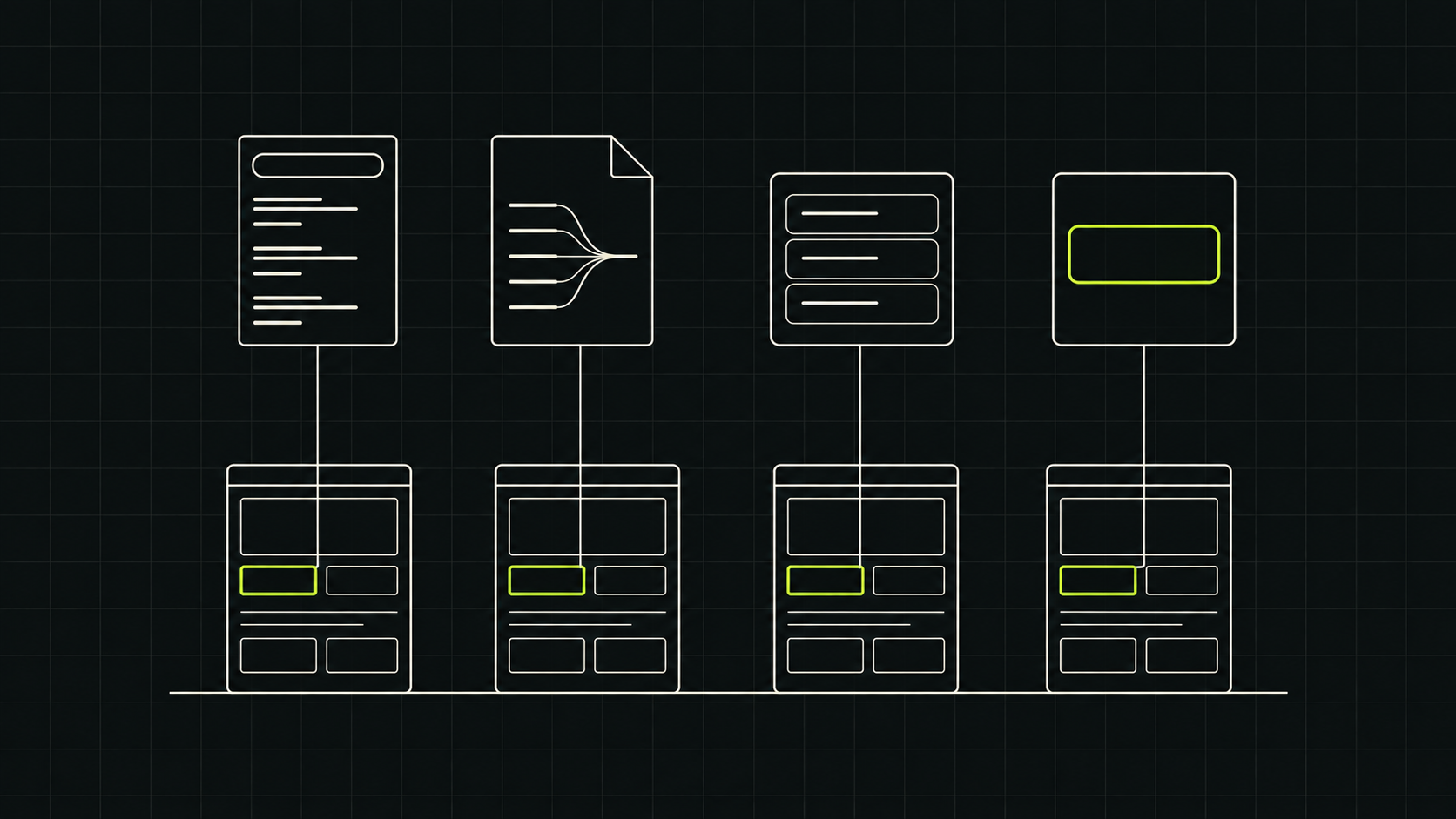
Four acronyms are circulating: SEO, AIO, GEO, AEO. Every week someone declares one of them dead and another one the future. Here is the short version: they name four surfaces where the same work gets judged, and the work is still search optimisation. The difference is who is reading and what a win looks like. If you do not understand that difference, you will keep optimising for a results page that fewer and fewer buyers ever see.
SEO: the foundation is still the foundation
Classic search optimisation rests on technical health, content, links and, whatever some claimed for years, user experience. Many sites have done that work properly and still watch traffic plateau. The reason is not that the work was wrong; it is that Google has become an answer engine. AI overviews, instant-answer boxes and zero-click results consume the content, sometimes cite it, and hand back little traffic. Ranking third on a page nobody scrolls is not a result.
None of that makes the foundation optional. Every one of the three newer acronyms assumes a site that machines can crawl, read and trust. Skip the foundation and the rest is decoration.
AIO: being readable by a language model
AI optimisation is about a different reader. A model does not weigh two hundred ranking signals; it needs to summarise what you do in one sentence and decide whether you are safe to mention. What it rewards is almost boring: clear headings, short paragraphs, precise markup, explicit FAQs, real numbers, verifiable facts, a few trustworthy links pointing at you, and structured data that spells out what the page is. The recognisable pattern here is that this list is a description of a well-built page. AIO is SEO with the ambiguity removed.
GEO: getting cited in generated answers
Generative engine optimisation is the art of being named in the text an assistant produces: ChatGPT, Claude, Perplexity, Gemini. You are competing to be one of the three to five names in the answer, not one of ten links. Some formats earn citations far more often than others: comparisons, tables of precise characteristics, "alternatives to X" pages, exhaustive product pages, and reviews that quote sources and users.
The strongest lever is counter-intuitive: if you are the smaller player, you will not win with your own name. You win with other people's. A page that honestly compares the alternatives to the market leader, including yourself, borrows the leader's authority and enters a conversation buyers are already having. "Best investment platform" is a fight you lose; "alternatives to the platform everyone knows" is a question the engines answer with a list, and a list has room for you. That is not a trick; it is writing the page the buyer wanted anyway.
AEO: becoming the answer itself
Answer engine optimisation goes one step further than being cited: it aims to be the answer that is shown first, in the AI overview or the featured snippet. That means pages structured to be lifted whole: question-and-answer blocks with the answer in the first sentence, concise guides in numbered steps, JSON-LD structured data that labels the content, and answers to very specific questions rather than general topics. In markets where AI overviews are fully deployed, operators report that a large share of the clicks a query used to produce now stops at the overview. If you are in it, you exist; if you rank below it, you may not.
So which one should you do?
All four, and they are the same programme. Read the lists again: structure, facts, sources, structured data, useful comparison pages, trustworthy links. Nothing in AIO, GEO or AEO contradicts SEO; each one raises the bar on clarity and evidence and lowers the tolerance for filler. The acronyms matter only because the readers changed and because each surface measures success differently: a position, a citation, or being the answer.
What changes in practice is measurement. A ranking report no longer tells you whether a buyer who asks an assistant will hear your name. You have to ask the assistants the buyer's questions, on a date, and record who they cite. Then fix the foundation, write the comparison pages, and measure again.
What our audit checks
The free audit covers the four surfaces for one domain: crawlability and structure (SEO and AIO), the pages and formats that earn citations (GEO), and answer-ready structure such as FAQs and JSON-LD (AEO). Where an engine can be queried, it records real buyer prompts with the engine, the date and who was cited instead of you. Anything it could not observe is marked not observed rather than guessed.